Check that VIN
We get questions all the time from people looking to buy a good used car. We love getting these questions (so we can try and help!) and it lets us know about what is going on in the real world and the situations that people get into while out looking.
One question we got recently was from a buyer that was attempting to talk to a used car seller and the buyer wanted some basic info. Nothing out of the ordinary. One of those pieces of information that they wanted was the VIN (Vehicle Identification Number). This Number is posted in numerous places on all legal cars and should easily be shared between buyers and sellers. The issue they were having is that the seller would not provide the VIN. The buyer was concerned that the seller not providing the VIN could be a red flag.
It is 100% a red flag.
If a seller won’t provide the VIN unless you come look at the car, then walk away, no questions asked.
The VIN is cross referenced these days on hundreds of car history websites, dealers, wholesalers, DMV databases, and between insurance companies. The VIN tells -most- of the story on a used car. A clean, legal VIN has no reason to be hidden.
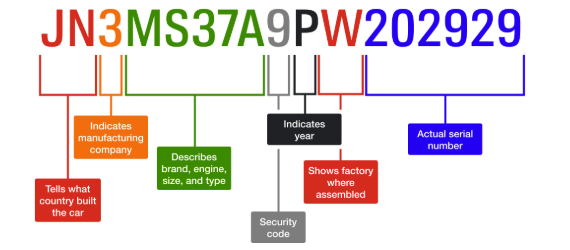
Why would a seller try and hide the VIN? What other things are they hiding? Rust? Wrecks? Title issues? Is it stolen?
VIN and title issues can cause issues with registration and insurance too.
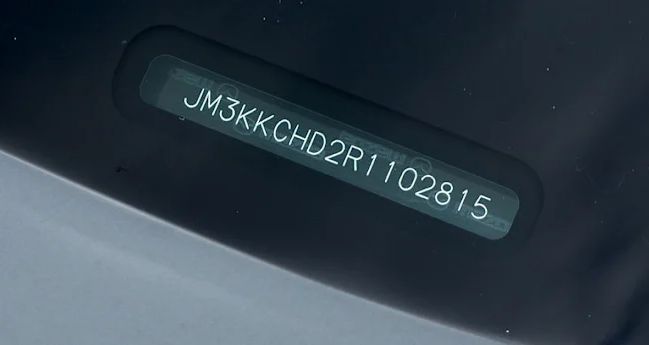
So when you are looking to buy a used car, the VIN (which is posted on many places on the car (the dash, the door, frame, etc) is just as important as the mileage, maintenance, and driveablitly. Always check and ask for it.
Compare Prices
The number one thing that most used car buyers are concerned with is the price. This causes some to get all excited and fall for scams/spam/frauds when they see a low price on a good used car.
Used cars come in all shapes, condition, age, upkeep, and prices. Most of the higher priced used cars are the ones that have solid maintenance records, proof of reliability, and should provide years of good service. Now, most used car buyers will want that….maintenace records, reliability, and worry free motoring. However, sometimes a low price clouds buyer’s vision and makes them forget about what really matters.
Its very easy these days to browse various used car sites and check real world asking prices. Once you determine what size, style, and condition of car you want, then check the asking prices. If you see something that is priced considerably lower than all the others, but is being portrayed as ‘in excellent condion’, well then be cautious. Maybe the seller typed in the wrong price? Maybe the seller is hiding something? Maybe the seller is trying to do a bait and switch? Either way, make sure that the low price does not cloud your judgement.
Too good to be true? It usually is.
Read Up On Common Issues
Used cars all have issues and all cars will eventually break and fail in some form. No getting around it.
However, some simple research, talks, and/or reading a bit can expose any trends in certain makes/models/year ranges that are known to be problematic.
You can quickly internet search for any recalls or service bulletins on the car you are interested in. Make sure you ask the seller about any of those.
If you avoid those makes/models/years (and do a thorough test drive, like you always should) then you can limit your exposure to potential costly and time consuming headaches.
You do have to be wary of crazy headlines and try to understand percentages. Many times you will see ‘thousands of cars impacted by XYZ’ but once you realize they made millions of the same car, the percentage of failures is quite small.
No one said buying good, reliable, cheap used car was going to be easy, but you can set yourself off on the right foot with a bit of upfront research.
Account For All Costs
We hear comments all the time about buyers looking for a car at certain price per month or they ‘only have so much to spend’
This gets our spidey senses tingling.
The price you pay for the car is just the beginning.
Don’t forget about:
Registration. This can also be yearly in some states.
Inspections/smog checks if relevant in your area
Insurance
Gas
Tires
Maintenance (some cars have more expensive maintenance than others)
On and on.
Owning a car is not cheap and can get REAL expensive if you are constantly hit with high bills.
Look at all avenues…..maybe you have a uncle that works on certain cars and can help you out? Maybe your mom works at a shop and you can get a repair discount on certain models? Maybe you are somewhat mechanically inclined and can do your own maintenance?
Whatever you do, just make sure you have a few extra dollar bills laying around to keep that good used car on the road. And legal.
Decide On Wants vs. Needs
So many times (especially when we are younger) it is easy to get all excited about things that we ‘want’ vs. things that we actually need.
Been there. Done that. A hundred times at least.
Now, for the latest pair of shoes or going on that last minute beach trip, that can only get so expensive.
When we are talking about buying a used car, wants vs. needs really needs to be considered for long term sanity and check book health.
Quick list to get you thinking:
Do you need AWD or four wheel drive?
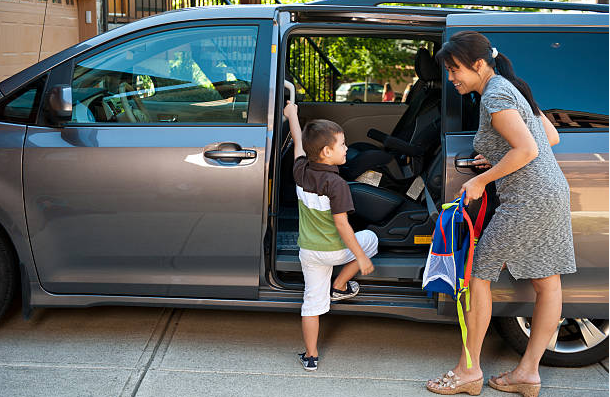
What bout 7+ seats? Will you be carrying family or friends around?
Will you use a truck bed? If so, what size? Or do you have no need for a truck?
Are you planning on towing anything? How heavy? How often? Do you need the extra cost of a diesel?
Are most of your miles highway or city streets?
Is the car just for commuting or does it need to serve multiple purposes?
Would a minivan do the job?
Do you need SUV ground clearance?
Can you do your own maintenance and repairs?
Will this be your only vehicle?
Now of course many people can buy and support a second or third car, or have ‘toys’ just sitting around, but not all of us can afford that.
If you are going to need dependable, reliable transport for your job, for your family, for your business, make sure you are buying what you need more than what you want. This will be the winning strategy for the long run.

Now It’s Time For a Test Drive
This is the most critical time.
(Make sure the VIN is present and legible!!)
If this is your first time test driving/buying a used car or have not done it in a while, things can get hectic.
If you are shy, unsure, or generally worried about the process and the questions to ask, please find someone to help you or even better find someone to go with you. Just start asking the people around you. You’ll be surprised at the number of ‘car’ people around you and those that have been through the same process.
Make a list of things to check and questions to ask because you will forget something.
Don’t let the seller push you around. If you get a bad feeling, then walk away. There are millions of used cars out there.
Before the drive, check the starting procedure? Everything normal? All keys present? Does it fire right up? Ask about maintenance records. Some things like timing belts and critical fluid changes need to be verified.
Once its running, do a walk around.
Any weird noises? Clanking or metal on metal sounds? Any excess smoke from the exhaust?
How are the tires? Are all the same brand with roughly the same tread depth?
A big indicator of how the previous owner treated their car is if they kept good and matching tires on it.
And tires can get expensive!

When out for the drive, are there any warning lights on the dash? The tire pressure warning light is an ‘easy’ fix usually, but a Check Engine Light (CEL) can range from mild to wild. It’s best to check for CEL codes with an OBD2 code reader if you can. This goes back to asking your ‘car’ friends for assistance, as many car guys have a scanner.
One note about check engine lights: The CEL can be turned off and if the issue is not that serious, it may take a few days for it to come back. Just something to keep in the back of your mind.
Make sure to accelerate up to highway speeds and then check to make sure it brakes straight.
Check the heat and air conditioning.
Any rattles or grinding? Does the steering wheel pull to one side while driving or while braking? Drive it like you would normally drive.
Try to hit some speed bumps to see if things rattle and clank or if they feel tight.
Once you are done driving, leave the car running and check for leaks and drips and weird smells.
Talk with the owner a bit more and see if they are deflecting or seem forthcoming.
Ask to see the title and make sure the VIN and names match and check the date to see if it matches the sellers story.
These steps are not all you need to do, but this will get you started!
Move forward with the deal if you feel comfortable, but don’t ever feel pressured…there are millons of used cars out there…..you’ll find the one that is best for you!
As always, if you have any questions, reach out to us at info@wyndscreen.com or on instagram
 Wyndscreen