That’s right. Only 9.
So you need a new car.
Well maybe you just want to buy a used car.
Either way, need or want, there are some simple steps you’ll need to know and follow to avoid wasted money and/or headaches.
These steps are simple to anyone who has bought and sold used cars privately before, but if you haven’t, it can seem daunting and confusing. How do you process paperwork? What to look for? How much to pay?What is a good deal?
There are many variables, and some makes and models are more reliable than others, so starting high level (do I need a pickup truck or a daily driver sedan, etc), taking notes, and doing a few days of research will pay off handsomely in the long run.
Now, you are visiting and researching at wyndscreen.com, so you’re already on the right track. We are the best place to buy and sell privately. Selling privately on wyndscreen is simple (and free), and searching on wyndscreen is even simpler. Buying privately gets you access to some older, cool, and unique items, and has the potential to save you some money by not paying for a dealership storefront and dealer fees.
Regardless of where you buy, let’s outline some steps to get you on the right track (the best we can!)
1. How Much Car Can You Afford?
A good used car will always require maintenance and repairs, so keep that in mind. Also don’t forget registration taxes/fees, inspections, insurance, fluid changes, brakes, and tires. So if you are buying a daily driver that you need to depend on, try and keep the payment (car, insurance, monthly fees, etc) no more than 10% of your take home pay or pay cash and have $1000 repair fund saved for when you need it. We all know that parts and labor are getting more expensive every day, so $1000 is the minimum recommended. You don’t want that nice new car to be a nightmare.
Finally, do your best to avoid financing it! Interest rates these days will make you cry.
2. Research the type of car you want
Are you looking for a dependable daily driver? A weekend trash hauler? A dedicated toy?
That’s the first thing you’ll need to figure out.
For a second/third car, toy, or backup car…then you’ll be best served to just get what you want! (see how easy that is?!) Want a Jeep Wrangler for some offroading? Then a Jeep it is! Want a racecar for track duty? Then a BMW or Miata may be for you!
However, if you need a car to get you back and forth to work everyday, then some due diligence is needed. First, the style is important….pickup, sedan, SUV? 2 door or 4 door? Do you need all wheel drive? If you want to save some money on upfront costs and potential upkeep costs., consider front wheel drive with good snow tires if you live in a snowy climate. If you don’t encounter snow that often, then front or rear wheel drive is fine for 99% of daily use, as long as you keep good tires on it.
Once you’ve decided what your budget is, the body style, and the engine type you want, then its down to reliability.
Then you will want to decide what fuel type….gasoline, like we have used for 100 years now, strictly electric where you will need to charge every other day, or a type of hybrid. Is convenience or MPGs most important?
Make a list of your requirements, your budget, and get to looking! A good first step is to just internet search “best years of -insert make and model here-“ and take good notes.
3. Locate the type of car/truck you want and compare prices
The general rule of thumb is that car dealers deal in cars 10 years old or less (maybe 15 years now, as cars have gotten generally more expensive), so if you are looking for cars 1-10 years old, expand your search to dealers, at least to compare models and prices. Wyndscreen has a dealer section, and there are hundreds of franchise (Ford, Chevrolet) and independent (mom and pop) dealers that have thousands of cars for sale on their lot. They advertise online as well.
If you are looking for something a bit older or unique, then check out Wyndscreen (well, you are already here…thank you!) and other marketplaces that offer a good selection of privately owned used cars.
There are pros and cons of dealer vs. private owned, but take notes of prices, mileage, and the total number of each make and model out there for sale. If you see a particular make and model that is generally higher priced than others, that may be a good sign that those are reliable and in demand. If you see a make/model that is generally cheaper, do a bit more research into potential trouble areas.
Finding a good used car can take some time. Don’t jump on the first ‘good deal’ you see. Visit a few lots to sit and touch models you like. Test drive a few. This will help you narrow down your search and what you really want. Sure, this takes some time, but doing some leg work up front will almost certainly save you time and money in the long run.
Private-party cars typically cost the least while Certified Pre Owned cars from dealers cost the most, given fewer miles, better condition and warranty coverage. Again, it boils down to what you value and what you can afford.
4. Run the background checks before buying
Before you put any money down on anything, there are some high level checks that can pay off big.
- Check the Carfax/autocheck. These services will cost you a few dollars (however, some used dealers provide them, so make sure to ask) and will tell you the number of owners, any major services/recalls, will help you verify the VIN and milage, and verify if the vehicle has been in an wreck. You may not get the entire story from those reports, but they should allow you to walk away from major issues and or large red flags.
- Google the VIN and see if anything pops up that looks suspicious. You may find old listings of the vehicles or pictures of previous damage. If you see the same vehicle listed all over the place with different prices, then it is probably a scam. If you see pics of previous damage, then compare the title and Carfax to see if that is referenced.
Unfortunately, you need to be highly aware that scammers, cheats, and dishonest people are out there trying to pull a fast one on you. Do not put any money down on anything until checks are done. This is the minimum you need to do.
5. Quiz The Seller
If checking out a car at a dealership:
-Ask for the Carfax or Autocheck. If they don’t have it or want you to pay for it, then walk away
-Ask how long they have had it
-Ask them if they have an area to lift it up and look underneath
-Ask if any warranty is available. Aftermarket warranties are usually not the best deal, but can add some peace of mind.
If checking out a car from a private seller:
-Ask to see the Carfax. They may have it, but many sellers won’t buy it up front. That’s ok. For now.
-Ask for service records. People that care about their car and its reliability will have some service notes. This can add to the warm and fuzzy feeling.
-Ask to see the title. Make sure they have it (if there is a loan on it, the bank will have it but can show it to you). Make sure the sellers name is on the title and the VIN matches.
Any funny business or ‘I’m selling for a friend’ type responses, be vary wary.
There are millions of used cars for sale, don’t jump on a bad deal.
6. Go test drive
If you don’t know much about cars, ask around to friends and family to see if they know of anyone that could go with you to check out the car and test drive. Car ‘guys’ love to give their 2 cents on other people’s cars, so you should have no problem finding someone to help.
Don’t get too excited and keep your feelings about the car to yourself. Don’t let the seller know you ‘have’ to buy a car today.
This is a good check list, but not exhaustive. Again, ask around for some local advice.
Check:
-Before driving, crank up the car and let it idle for a few minutes. Do a walk around. Any smoke? Smells? Fluid dripping? Squeaks or squeals?
-Turn on the lights and check the turn signals
-Look for obvious signs of rust and or damage
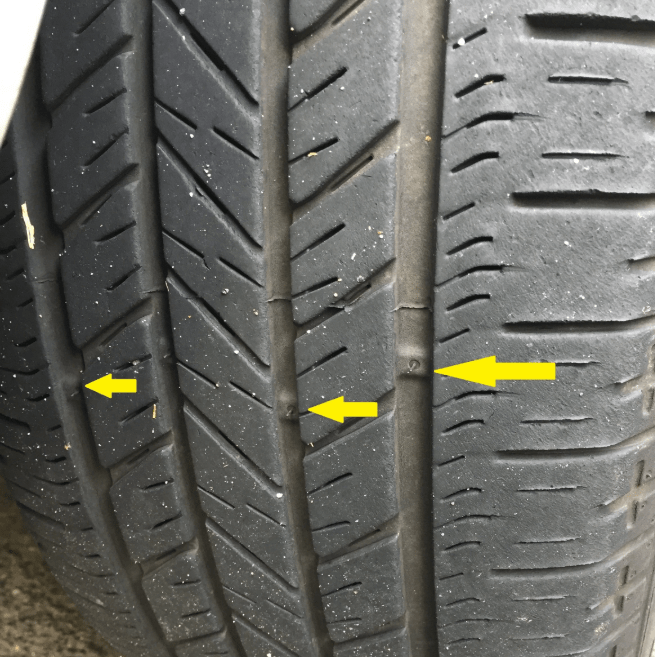
-Check all the tires. Are they the same brand and size? Is the tread ok? Tires have a ‘wear bar’ that runs horizontally to the tread and most tires won’t pass inspection if the tread is down to the wear bars. And tires are expensive.
-Now hop in. Easy to get in? Is the door easy to shut? Does the door contact any body panels?
-Any weird smells inside?
-Does the driver seat adjust?
-Check all power windows and locks
-Check the heat and AC
-Is the check engine light on? (Note: all cars 1996 and newer are OBD2, and a inexpensive OBD2 scanner can read most cars, so if you want more peace of mind about hidden Check Engine light codes, bring one with you)
-Now go for a drive. Does the car accelerate OK? Any new weird smells or sounds?
-Make sure to get up to speed to check all the transmission gears. Is the ride smooth?
-If it has cruise control, test it
-Test those brakes! Does it stop straight? And squeaks or squeals?
– Go over some speed bumps…does it handle those OK? Any clunks or squeaks?
When you get back, leave it running and get out and do another walk around. Now that its up to temperature, any new strange smells or sounds?
If you like what you see, do a bit more talking about years of ownership and service history.
If you don’t like it, walk away. There are more out there.
7. Inspect it
If you know what you are looking at and can ask the right questions, then your insight may be all that is needed.
If you don’t know much about cars or want a deeper dive, then ask the seller if you can take it to a local shop for an independent 3rd party inspection. This will cost you about $100 and can really add some security to the purchase. A shop doesn’t care if you buy the car or not, so they should be straight with you. (You’ll need to line this up beforehand, so you don’t waste the entire day trying to get into a shops schedule)
If the seller is hesitant, don’t immediately write them off, but that could be a red flag. Ask them why they object and go from there. Some sellers have never been asked about that before and just aren’t clear on the process. If they get real closed off however, then that’s probably a sign to walk away.
One possible compromise is to have the seller meet you at the mechanic of your choice. If the person balks, it could be a sign of deeper mechanical issues, or perhaps the seller can’t be bothered. Either way, decide if that is a deal breaker for you.
8. Talk numbers (like a boss)
Regardless if buying from a dealer or private seller, know your budget before talking numbers. Then stand strong. As mentioned before, try and pay cash for any used car, as interest rates on used cars are not pretty.
If at a dealer, you’ll be offered financing options, service plans, and or extended warranties. These can all add up to significant extra costs (upfront or per month), so read all the fine print and even take a few days to research the pros and cons of the product they are offering.
At the end of the day, you want to see the ‘out the door’ price….and make sure that fits your budget. That will include the vehicle, dealer fees, title fees, and any other state fees. Also, don’t forget that some states require sales tax on used vehicles, so check on how that will be too.
If buying from a private seller, know your top dollar that you are willing to spend, bring some KBB or NADA paperwork to show data on current values, and be prepared to walk away. Most private sellers have priced their vehicle a bit high, to leave some haggle room, so don’t be scared to negotiate a little. Private sellers know that buyers will negotiate, so that should not make anyone mad.
Just don’t offer the seller half. That will end the conversations quick.
And again, don’t forget you will need to get insurance, pay the title transfer and registration fees, sales tax, and any future repairs to keep it 100% road worthy.
Is it going to need tires soon? That’s a bargaining chip. AC not working? That could easily cost $500 to repair.
9. Make the deal and do the paperwork
This step is what frightens used car buyers the most, and why most just default to a dealer to make things ‘simpler’
Most of the time buying a car at a dealer will cost you more, and there is no reason at all to be scared of DMV paperwork.
Lets lay it out:
-If you do buy your car at a reputable used car dealer, they will walk you through the process (and you’ll sign 10-15 documents) in what will feel like a whirlwind. Title transfer, disclosures, power of attorney so they can process the paperwork at the DMV for you, signing up for or declining a warranty, and not limited to documents limiting the dealership’s liability. You’ll pay the fees and they will handle the paperwork. If you paid cash, you’ll be mailed the title and a license plate. If financed, you’ll get a plate and all the financing docs….and the financing company will hold the title. Oh, and you’ll need proof of insurance and a non-expired ID / driver license too.
-If buying from a private owner, title transfer scares most. It’s not scary and the DMV makes it super easy for you…..as long as you do a bit of thinking before hand.
We covered this before (and this varies by state, so please research), but usually you’ll get the title from the owner, and they will need to sign it in the required areas. Some states require a notary at this step and some don’t. It is also a good idea for you to find online and print a simple one page bill of sale to be filled out at the time of sale.
Before any money changes hands, check and compare the name and VIN on the title.
If the vehicle still has a lien on it, you will need to meet the seller at your bank and they can will walk you through paying off the loan, filling out the correct paperwork, and having the title mailed to you. Again, not hard, just some steps. If it’s the car for you, its worth it.
Once you have the signed title, then all you do is take your ID, insurance info, and checkbook to the DMV and stand in line to get it all transferred into your name! (but good luck!)

—Now, this will get you started, but each state and city has all types of different rules, inspection requirements, fees, and taxes when buying, selling, and transferring ownership of a used car. Please do your own research. It’s not hard, the DMV is fairly helpful, and half a days work of researching the car for sale and the process will save you time and money and potential headaches!—-
Oh, and one more thing: A ‘salvage’ or ‘rebuilt’ title is not an automatic bad thing. First, check with your insurance company to make sure they will insure anything other than clean titles. Second, ‘salvage’ could mean any number of things…..the car could have been underwater in a flood or it could be as simple as the car is a bit older and body panels are hard to find, so the car was ‘totaled’ after a minor fender-bender. So do digging and due dilligence. You may have stumbled onto a deal!
Wyndscreen.com allows you to easily search by title status, so keep that in mind!
And finally, check out all the awesome used cars at wyndscreen.com and get to buying!
Thanks, and have a great day!
 Wyndscreen