Selling your car online opens up a vast market, allowing you to reach potential buyers beyond your local area. However, this convenience also brings challenges, particularly concerning safety and security. To navigate this digital marketplace successfully, it’s essential to implement robust safety measures. This guide aims to provide you with comprehensive tips and best practices for safely managing every aspect of online car sales. You’ll learn how to craft secure and appealing advertisements, verify the identity of potential buyers, ensure the security of payment methods, and handle personal interactions with safety in mind. Additionally, we’ll discuss how to manage documentation and spot potential scams, ensuring that you can not only sell your car swiftly but also safeguard your interests throughout the process. By following these guidelines, you can maximize your returns while minimizing risks, making your online car selling experience both profitable and secure.
Selling Online Securely
With the rise of digital marketplaces, selling your car online has become more accessible than ever before. However, this ease of access does not come without risks. It’s crucial to use secure and reliable platforms that safeguard both seller and buyer. This not only enhances your credibility but also attracts serious buyers who are willing to follow through with a legitimate transaction. In this section, we’ll delve into the specifics of selecting the right online platform and setting up your car listening to ensure it is both attractive and secure. By focusing on creating a trustworthy advertisement, you can significantly reduce the risks associated with online car sales, giving both you and potential buyers peace of mind. Thankfully, Wyndscreen walks you through the entire process so you don’t forget anything and your detailed ad is seen by the most people.
Essential Tips for Buying and Selling Online
When shopping for a car online, finding a trustworthy seller is as crucial as selecting the right vehicle. Here’s how you can ensure you’re dealing with a reliable seller and safeguard yourself against potential scams.
Evaluating the Car Listing:
- Look for listings that are detailed and transparent. A good seller will provide comprehensive information about the car, including its make, model, year, mileage, maintenance history, and any repairs.
- High-quality photos are a good sign. Ensure the listing includes clear, well-lit images from multiple angles—both exterior and interior. If the listing only has a few photos or they’re of poor quality, consider this a red flag.
- Review the description for a clear, honest presentation. Trustworthy sellers will mention both the positive aspects and any issues or wear and tear the car might have.
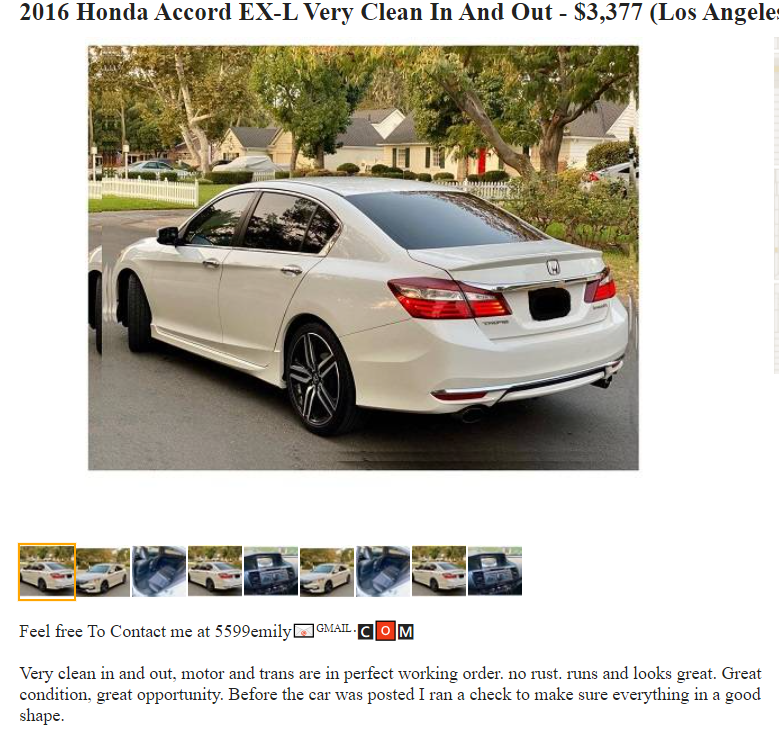
- Below is a prime example of a ‘bad’ listing that could be a scam, a non-comunative seller, or just a waste of time all around…can you spot all of the issues? (photoshopped, a too good to be true price, weird email address, incorrect grammer……RUN!)
Verifying Seller Credibility:
- Don’t hesitate to pick up the phone and actually call the seller (like its 1999!) to verify the seller actually exists. This is a quick and easy way to weed out scams and spam. Honest sellers should have nothing to hide.
- Look up reviews or ratings of the seller if available. Previous customer experiences can provide insight into the seller’s reliability and the quality of the cars they sell. Soon Wyndscreen will have a section to get info about the cars for sale and to ask specific questions so you won’t get burned. Stay tuned!
- Don’t hesitate to ask for additional information or documents related to the car. A cooperative seller who responds promptly and is willing to provide further details or meet for a test drive is likely genuine.
Contacting the Seller:
- When you’re ready to reach out, ask detailed questions about the car’s condition, history, and ownership. Their responses can help you gauge their honesty and knowledge about the vehicle.
- Arrange a meeting or test drive in a public, safe location. This not only allows you to inspect the car but also to meet the seller in person, which can help you assess their credibility
- Ask for a pre-purchase inspection. This should take about an hour and cost $100-$200 dollars. This is cheap insurance to avoid a car that is full of disguised problems. If the seller does not agree to that, WALK AWAY!
By following these guidelines, you can better navigate the process of finding and buying a car online, ensuring that you deal with safe and reliable sellers. This careful approach will help you make a well-informed decision, ultimately leading to a successful and secure purchase.
Redflags to Look for
Scam awareness is crucial when engaging in online car sales, whether you’re buying or selling. Understanding the common scams and recognizing red flags can protect you from fraudulent transactions. Here’s what to watch for and how to steer clear of potential scams.
Common Scams in Online Car Sales:
- Phantom Listings: Scammers post fake ads for non-existent cars at below-market prices to lure in unsuspecting buyers. Always verify the existence of the car and the seller.
- Title Washing: Sellers disguise cars with salvage titles as regular used cars by falsifying documents. Always check the vehicle history report for any discrepancies.
- Overpayment Scam: A buyer sends a check for more than the car’s price, asking the seller to wire back the difference. The check later bounces, leaving the seller out of pocket. Never accept overpayments, and always wait for funds to clear.
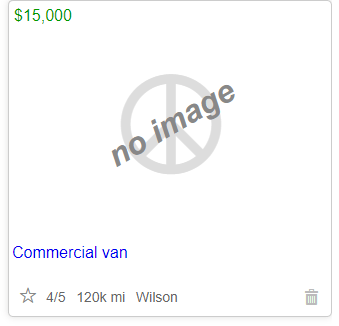
- Does this look like a seller you want to deal with? Looks sketchy!
Signs of Fraudulent Buyers or Scam Transactions
- Rushed Purchases: Scammers often pressure sellers to close deals quickly, skipping over important steps like inspections. Take your time to follow through all normal procedures.
- Unusual Payment Methods: Be wary of buyers who insist on using unconventional payment methods like wire transfers or cryptocurrency. Stick to secure, traceable payment methods.
- Avoiding Physical Meetings: Scammers may avoid meeting in person and might not agree to a test drive, often citing various excuses. Insist on a face-to-face meeting in a public place.
How to Avoid Scams:
- Use reputable online platforms, such as Wyndscreen, that verify the identities of both buyers and sellers
- Always perform a comprehensive background check on the vehicle using services like CARFAX or AutoCheck.
- Be cautious with buyers who seem overly eager to finalize the transaction without proper diligence.
By being aware of these scams and signs, you can more confidently navigate online car sales, ensuring both your financial and personal safety. Always trust your instincts—if something feels off, it probably is. Taking these precautions will help you avoid becoming a victim of a scam and ensure a safer transaction environment.
Conclusion
In conclusion, safely navigating the world of online car sales requires vigilance, knowledge, and the right precautions. By understanding the common scams and recognizing their warning signs, you can protect yourself from fraudulent transactions and ensure a secure selling or buying experience. Always verify car details, use secure payment methods, and insist on face-to-face interactions when possible. Remember, if a deal seems too good to be true, it likely is. Trust your instincts and take your time to ensure that all aspects of the transaction are legitimate. With these best practices in mind, you can enjoy the benefits of online car sales while minimizing risks, ensuring a safe and profitable experience for all parties involved.
But the best scam detector is your inner voice….too good to be true? It usually is!
If you have any questions or issues with any of the cars listed for sale on the wyndscreen marketplace, just reach out!
info@wyndscreen.com
 Wyndscreen